Enjoying the Shinkansen: Mt Fuji Seats, Ekiben and the Art of the Ride
The bullet train is not just transport — with the right seat letter, a station bento and good timing, it becomes one of the set pieces of a Japan trip.
Advertising disclosure. This page contains affiliate links — advertising. If you buy through a link on this site, we may earn a commission, at no extra cost to you. Prices and conditions shown here were checked against the providers' official pages on the dates stated and may have changed since. This site is a research desk: everything here is compiled from publicly available information, not from personal use, and nothing on this page is a personal endorsement based on first-hand experience.
The short answer
For Mt Fuji on the Tokaido Shinkansen, book window seat E in an Ordinary car (seat D in a Green Car) — the same letter in both directions.
Buy your ekiben at the station before boarding (budget ¥1,000–1,900), and be looking out of the window from Mishima to Shin-Fuji, about an hour out of Tokyo.
The train is part of the trip
For many visitors the shinkansen is transport. For many Japanese travellers it is an event in itself: a bento box bought at the station, a bottle of tea, and a famous mountain sliding past the window. A few small decisions — which seat letter you book, what you buy before boarding, when you look up — make the difference between a commute and a memory. This guide collects them.
Mt Fuji: book seat E
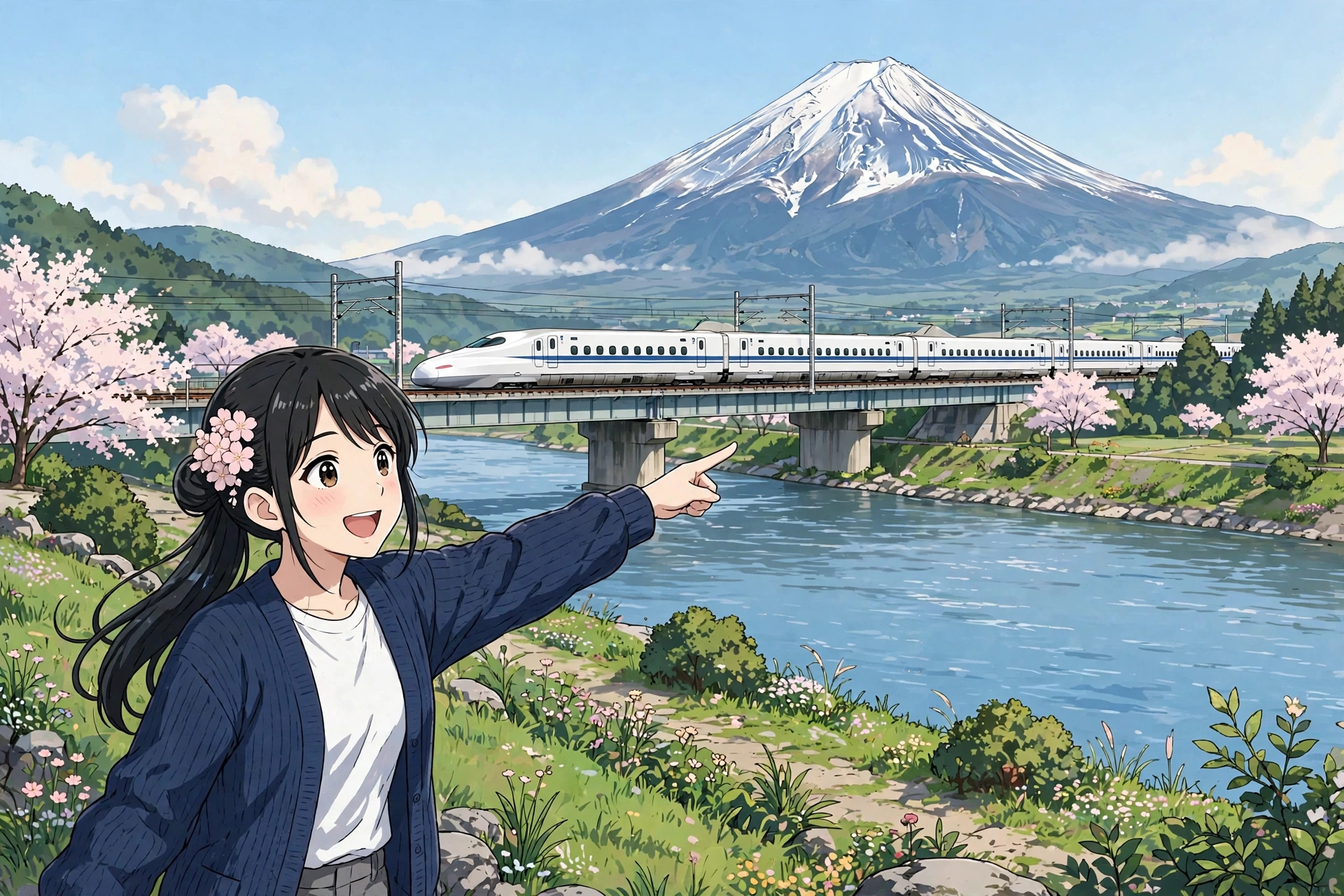
On the Tokaido Shinkansen (Tokyo – Nagoya – Kyoto – Shin-Osaka), Mt Fuji stands north of the tracks. That produces the easiest seat rule in Japanese rail travel, published by the operator, JR Central:
- Ordinary car: window seat E — the window of the two-seat block (cars are laid out 3+2: A·B·C, aisle, D·E).
- Green Car: window seat D — Green Cars are 2+2 (A·B, aisle, C·D).
The same letter works in both directions, because shinkansen trainsets do not turn around — the seat letters are fixed to the carriage, and the mountain does not move. Travelling from Tokyo, Fuji appears on your right; travelling toward Tokyo, on your left — from the same seat E.
If the booking screen offers you seat A instead, you are on the sea side: pleasant views of Suruga Bay and the Pacific, but no mountain.
When to look up
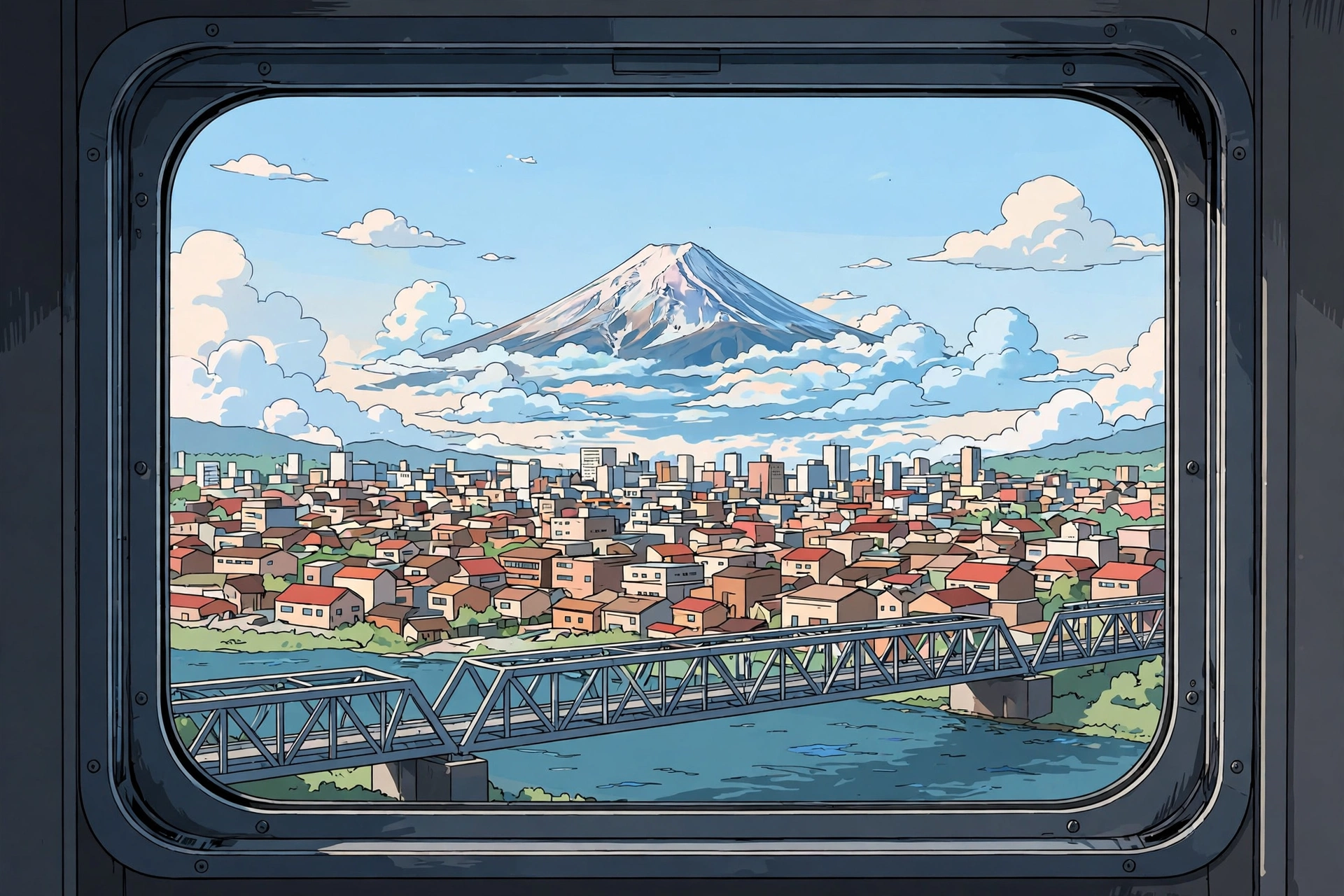
JR Central lists two stretches where Fuji can be seen:
- Shin-Yokohama → Odawara — a distant preview; the snow cap shows on very clear days.
- Mishima → Shin-Fuji — the main event. The line runs across the mountain's southern foot, and around Shin-Fuji the peak fills the window for roughly three minutes, including the crossing of the Fujikawa (Fuji River) bridge.
From Tokyo, Shin-Fuji is about an hour into the journey. A practical trick: when the train leaves Mishima (or, on a non-stop Nozomi, about 40–45 minutes out of Tokyo), put the phone down and watch the Fuji-side windows. The mountain is famously shy — cloud hides it on many days, and winter mornings offer the best odds — so treat a clear view as a bonus, not a promise.
There is even a consolation prize: on the Shizuoka–Kakegawa stretch, where the line briefly runs north–south, the mountain can appear for a moment on the seat-A side. JR Central calls this Hidari-Fuji — "left-hand Fuji". If you spot it there on a westbound train, the main view on the E side follows a few minutes later.
The other windows aren't bad either
- Seat A (sea side), Tokaido: Suruga Bay and the Izu Peninsula coastline between Atami and Shizuoka.
- Hokuriku Shinkansen (Tokyo – Kanazawa): the line crosses the foothills of the Japanese Alps; on clear days the Tateyama mountain range fills the windows on the approach to Toyama.
- Tohoku Shinkansen: long green stretches of rice fields and low mountains north of Sendai — slower-feeling scenery at 320 km/h.
Ekiben: lunch as a souvenir
An ekiben (駅弁) — eki (station) + bento (boxed meal) — is a boxed lunch sold at stations to be eaten on the train, and most showcase the speciality of the region the station serves: beef in Yamagata, beef tongue in Sendai, pressed trout sushi in Toyama. Eating on the shinkansen is not just acceptable; the ekiben is the ritual that goes with it (the same meal on a commuter train would be a manners error — see our train manners guide).
Where to buy: station shops before you board — allow ten minutes. The best-known single shop is Ekibenya Matsuri inside Tokyo Station (1F Central Passage, inside the gates), which stocks roughly 150 varieties from across Japan and opens at 5:30 — early enough for the first departures.
What it costs: most full-meal ekiben run ¥1,000–1,900. Three benchmark boxes at Tokyo Station in 2026:
| Ekiben | What it is | Price |
|---|---|---|
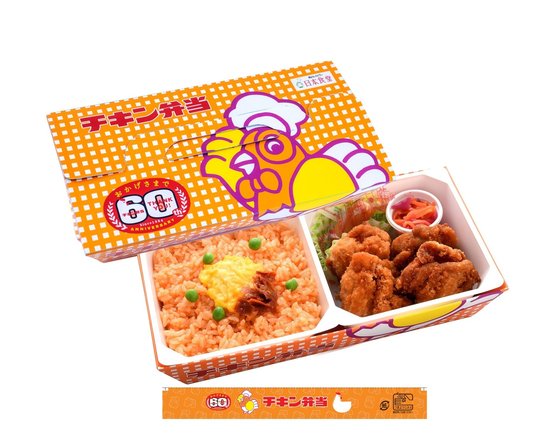
| Chicken Bento (チキン弁当) | Fried chicken with tomato-seasoned rice; a classic sold since 1964 | ¥1,000 |
| Charcoal-grilled style beef tongue bento | Sendai-style beef tongue in a self-heating box — pull the string and it steams | ¥1,480 |
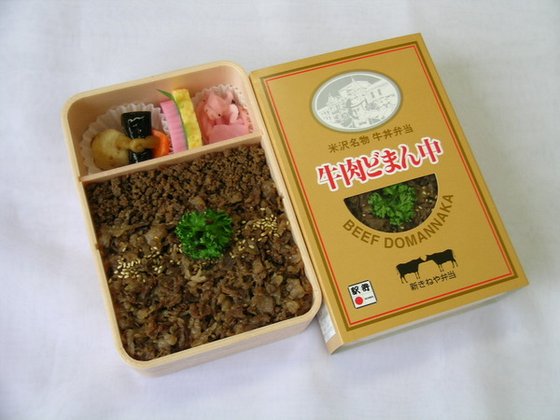
| Gyuniku Domannaka (牛肉どまん中) | Yamagata beef simmered sweet-savoury over rice; a long-running top seller | ¥1,620 |
Premium seafood and wagyu boxes run higher (¥2,000–3,000). Buy before boarding: on-board trolley sales have been withdrawn or reduced on most shinkansen services, so the station shop is the reliable plan. Popular boxes sell out by early afternoon — another reason the morning shop visit matters.
Sources: Ekibenya Matsuri shop information and JR East product listings for 2026 prices, checked 7 Nov 2026. Individual boxes and prices change with season and stock.
Ekiben pre-order and station pickup services
Ad — this card contains an affiliate link. See our disclosure.
Choosing your seat like you mean it
Beyond the Fuji rule, a few seat choices shape the ride:
- Reserved vs non-reserved: non-reserved cars (on Nozomi, cars 1–2) offer flexibility but little saving — the fare difference is small, and in peak periods (Golden Week, Obon, New Year) Nozomi trains run all-reserved. If the date matters, reserve.
- Travelling with a big suitcase: seats with an oversized baggage area (the last row of selected cars) are the ones to book if your bag totals over 160 cm — full rules in our luggage guide.
- Green Car:
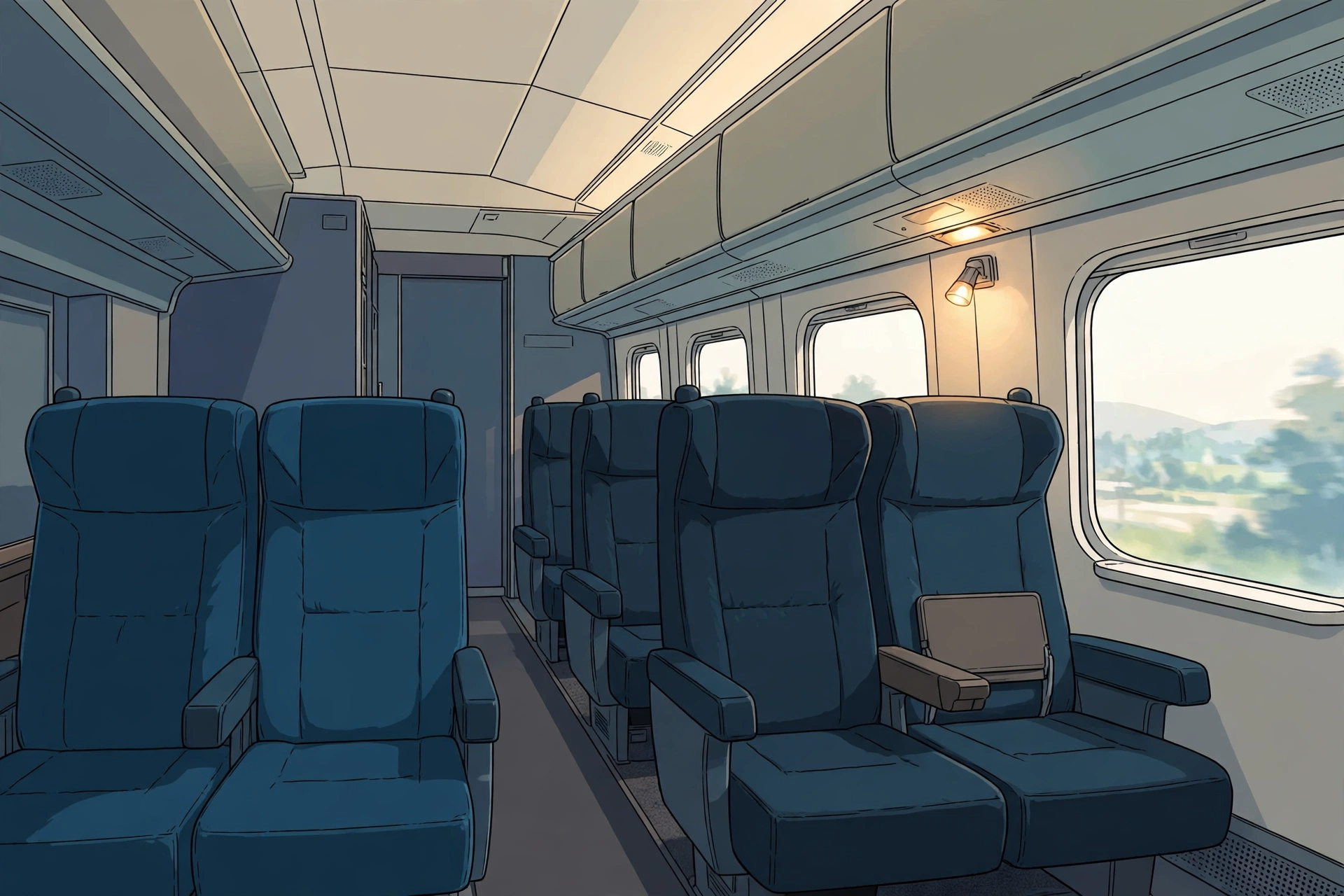
2+2 seating, wider seats, quieter cars. On the Fuji side it is seat D, not E — the most common booking mistake on this route.
- Window or aisle for the view: if Mt Fuji is the goal, a non-window seat on the correct side still beats a window seat on the wrong side. Seat E or nothing.
Putting it together: the classic ride
Tokyo Station, 20 minutes early. Ekibenya Matsuri for a Domannaka (¥1,620) and a bottle of tea. Platform markings, queue, board. Seat E, Ordinary car, Hikari or Nozomi. Settle in, eat somewhere around Odawara, and from Mishima onward — roughly three minutes around Shin-Fuji — watch the mountain cross your window above the Fujikawa bridge.
If you are making this trip as part of a multi-city itinerary, check first whether a pass actually saves you money on it: our JR Pass break-even guide runs the numbers route by route, and our Japan eSIM comparison keeps you connected between stations.
FAQ
Which seat is best for Mt Fuji on the shinkansen? Seat E in an Ordinary car, seat D in a Green Car — in both directions, per JR Central's published guidance.
Can I buy food on board? Do not count on it: trolley sales have been withdrawn or reduced on most services. Buy an ekiben at the station before boarding.
What if Mt Fuji is hidden by cloud? Common — the mountain is visible on only some days, with winter mornings the best bet. The Mishima–Shin-Fuji stretch is still the moment to look; the sea side (seat A) has its own views as a fallback.
Sources and verification
- JR Central — published Mt Fuji viewing guidance: viewing sections (Shin-Yokohama–Odawara; Mishima–Shin-Fuji), seat E in Ordinary cars / seat D in Green Cars in both directions, the Shin-Fuji stretch and "Hidari-Fuji" between Shizuoka and Kakegawa (via JR Central and JR Central Tours publications, checked Oct–Nov 2026).
- Ekibenya Matsuri (JR East Cross Station) — shop location, hours (5:30–22:00) and range (~150 varieties); product prices from JR East listings, 2026.
- Train layouts (Ordinary 3+2, Green 2+2) and the Nozomi non-reserved car arrangement: JR Central service information, checked Oct 2026.
Advertising disclosure. This page contains affiliate links — advertising. If you buy through a link on this site, we may earn a commission, at no extra cost to you. Prices and conditions shown here were checked against the providers' official pages on the dates stated and may have changed since. This site is a research desk: everything here is compiled from publicly available information, not from personal use, and nothing on this page is a personal endorsement based on first-hand experience.
Keep dreaming: more journeys taken purely for the window — Scenic rail journeys in Japan.